

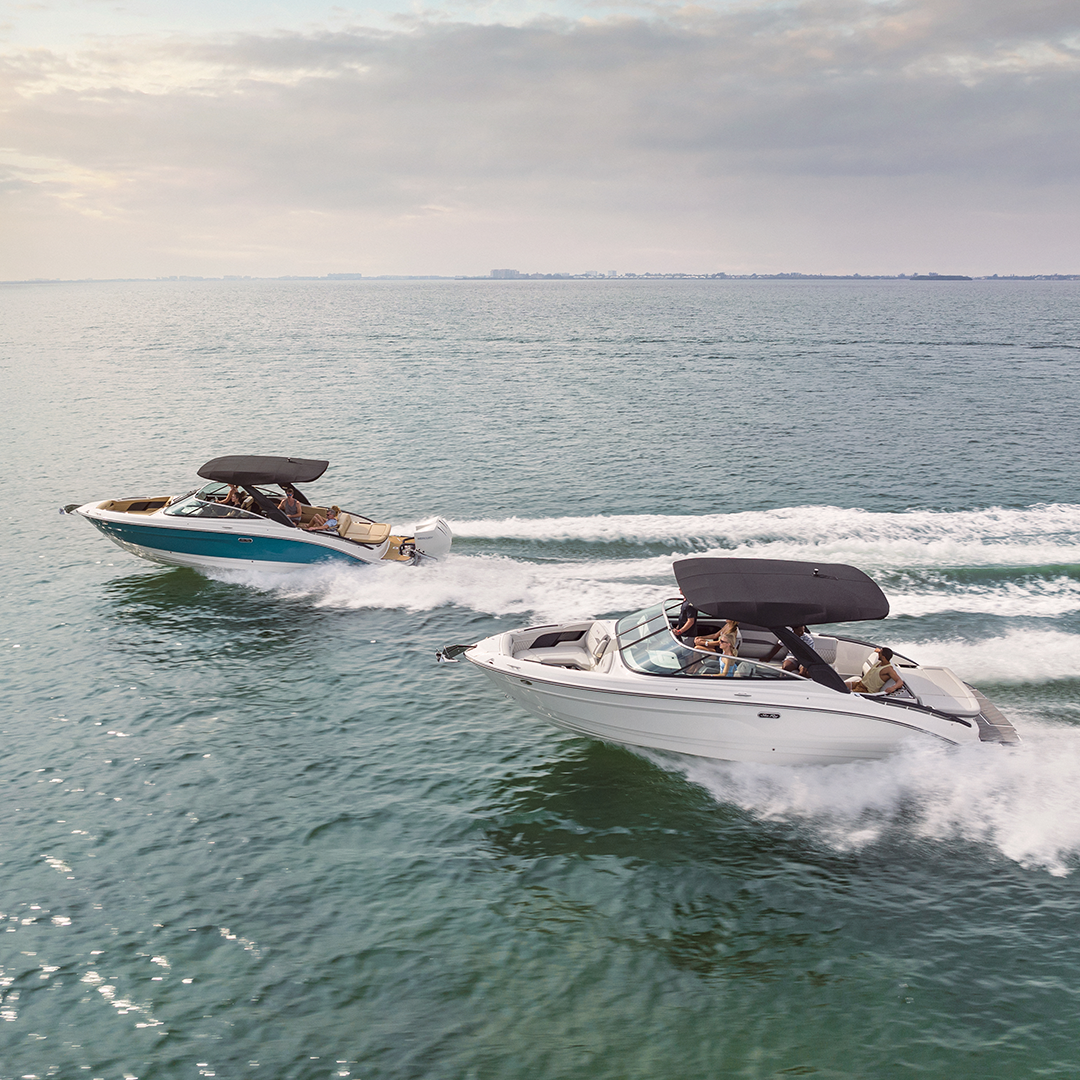
Sea trials are a crucial part of the boat-buying process. Before putting money down on a new boat, you’ll want to be sure it handles and performs the way you expect, and you can learn a lot from a test drive that you may not notice when simply looking at a craft.
If you want to get the most out of your sea trial, you should go into it knowing what to expect and what to look for. This guide will walk you through what you need to know and how to conduct a sea trial, so you can enter your next boat purchase with confidence.

What is a Sea Trial?
A sea trial is a boat’s test drive. Just as you may take a car out for a spin around the dealership before buying it, a sea trial lets you experience a boat firsthand before you commit to a purchase.
What exactly it entails may vary depending on your seller, but in general, you’ll get a chance to see:
- How the boat handles and performs on the water
- Whether everything on the boat functions properly
- How suitable the boat is for your needs and lifestyle
Sea Trial vs. Boat Survey
You may have come across the term “boat survey,” which sounds similar to a sea trial, but is its own, distinct process. A sea trial is a test drive where you can determine how the boat performs on the water and that everything functions as it should. A boat survey is a more detailed, thorough inspection of the boat’s condition performed by a professional surveyor.
There is some overlap between what a sea trial and a survey cover. For example, a surveyor will typically inspect the condition of the boat’s hull, make sure the engine is well-serviced, and look for any signs of damage on the deck. All of these are things you should look for in a sea trial, too, and your seller or captain may walk you through all of them before taking the craft out on the water.
In some cases, surveys may be part of the sea trial. This will depend on your seller, but even if it’s included, the survey will always fall to a professional, while you will decide how you feel about the test drive for yourself.
What to Expect During a Sea Trial
Sea trials are a little different from test driving a car. One big difference to note is that the seller or a captain will drive the boat for most of the trial. You should have a chance to briefly get behind the helm to feel how the craft handles, but you are mainly there to observe.
During the sea trial, you’ll get to see how the boat performs at multiple speeds and through several basic maneuvers. This includes going in reverse, taking the boat to its top speed, taking wide turns, tight ones, and getting the boat on plane. Because you likely won’t be the one steering during all of these moments, you can pay closer attention to how the boat feels, sounds, and functions.
When Does a Sea Trial Happen?
Sea trials typically only happen once you’re seriously considering a particular boat. It’s one of the final steps before completing a purchase, often coming after you have already made an offer and the seller has accepted it. Some sellers will require a deposit to ensure you’re invested in an actual purchase if everything goes well in the trial.
Large dealerships may offer more flexibility. You may be able to sea trial boats earlier in the buying process and without as much paperwork so you can understand your options. Some, like MarineMax, also offer Demo Days — day-long events where prospective buyers can stop by and see how various boats perform with less hassle and no commitment,
How Long Does a Sea Trial Last?
A sea trial should take between 30 minutes and an hour. You’ll want enough time to experience all the boat has to offer, so the time can vary widely depending on the vessel in question. A smaller center console won’t take as long to fully test out as a larger yacht with more features to evaluate.
What to Check During a Sea Trial
A sea trial should be comprehensive, given its place so deep into the buying process. As such, there is a lot to look out for during the test drive — from handling and performance to systems operation and functionality.
Boat Condition
You’ve likely already seen the boat, if not in person, then in pictures, by the time your sea trial comes around. Still, a water trial gives you a chance to look closer for any damage or flaws.
Signs of poor condition to look out for include:
- Cracks or scratches in the hull
- Soft spots on the deck
- Standing water in the cockpit (or elsewhere on the boat)
- Damage to lifelines, cleats, rails, etc.

How the Engine Runs
Even if you’re not steering the boat for most of the trial, you should be there when the engine starts cold. If it’s already warmed up when you see it start, you won’t get a reliable picture of how quickly it turns over.
The big thing to look for here is if the engine starts quickly and easily. You should also pay attention to any unusual sounds or smells. The smell of fuel or a sharp clicking or grinding noise could indicate a larger issue.
How the Boat Handles
Once the boat has started and you take it out on the water, listen to the engine as you increase speed. Is it loud when the throttle opens up? Do you hear any rattling or feel vibrations? Beyond how the boat sounds, consider how it feels. It should shift smoothly and feel stable when getting up to speed, slowing down, and turning.
Note any blind spots when taking the boat through different maneuvers and whether there’s any delay in the throttle when opening it up. Remember that anything that stands out to you isn’t just about the presence of mechanical issues — everything should also feel comfortable based on how you will likely handle the boat if you complete the purchase.
Amenity & Appliance Function
Your sea trial should include more than just a drive around the water. It’s also an opportunity to check out all of your boat’s amenities and appliances. This checklist will vary depending on what your specific boat features, but some common inclusions to inspect include:
- Head (toilet)
- Shower
- Heating and air conditioning
- Refrigerator
- Stove
- Microwave
Start with a visual inspection of each appliance, and then run them to see how they work. Pay attention to things like water pressure, heat, and any smells or noises you wouldn’t expect.
Electronics
In that same vein, you should take the time to check all the boat’s electronics. That includes its lights, radio, GPS, and radar. Any non-standard electronics also deserve attention.
Layout and Space
Some aspects of a sea trial are more subjective. In addition to making sure everything works correctly, you should also ask if the boat’s space and layout suit your needs.
Look at the seating. Is there enough of it, and is it comfortable? The same thing applies to storage. Is there enough space to keep everything you’d want on the boat? Can it hold fishing gear or any other watersports equipment you’d use?
If you want to use your boat for skiing, tubing, or similar activities, make sure it can safely tow people behind it. If you’ll primarily use it for fishing, check out its live wells, rod holders, and casting decks.
Pro Tips for Your Sea Trial
Now that you know what to look for during a sea trial, let’s go over some best practices. Following these steps will help you go beyond basics to get the most out of the experience.
Get There Before the Boat Goes in the Water
If possible, you should arrive in time to see the boat before it lowers into the water. Checking the boat while it’s in storage or a trailer on land will let you look closer at the hull, which would otherwise be under the surface.
Your boat’s seller may keep the craft in the water, making it impossible to see it on dry land. If that’s the case, make sure you take the time to inspect it thoroughly while docked, when you can see more up close.
Consider the Weather
It’s also a good idea to check the weather before you arrive. You can’t control what the seas will be like during the trial, but you can get a better idea of the boat’s performance if you go into it understanding how current conditions may affect it.
A calm day will show how comfortable the boat can be, but you won’t be able to see how it performs in choppier water. Likewise, performing a sea trial on a rougher day can highlight a boat’s resilience, but not how it handles in normal conditions. Both sides are important, so whatever the day is like during the trial, check the wave forecasts ahead of time and keep the inverse in mind.
On a related note, you should never do a sea trial during a storm. If the weather takes a turn for the worse, contact your seller to reschedule.

Document Your Sea Trial
With so many things to consider, it can be hard to remember everything you see and experience during your sea trial. So, it’s best to document everything to give yourself a reference later.
Take pictures of the boat, inside and out, so you can review things after the fact. Consider jotting down some quick notes if anything stands out to you during the trial. You don’t need to be overly detailed, but even a short reference can help jog your memory when you get closer to making a buying decision.
Ask Questions
You may be unsure about something with your boat, or your seller may not go over everything you wanted to know about at first. Don’t be afraid to ask them about anything.
The seller will know the boat beyond what you can see, hear, smell, and feel. Take advantage of that firsthand knowledge and ask plenty of questions to get a thorough understanding of how the boat operates.
Have a Checklist Ready
Finally, make a checklist of things to look for during your sea trial. It can be easy to forget things you wanted to check once you’re in the moment and talking to the seller. Having a list in hand to work your way through will ensure you learn all you need to know, and this also gives you a handy place to take notes for later.
Ready to Demo a Boat?
There’s only one thing left now that you know how to sea trial a boat and what to look for — it’s time to schedule yours. You can schedule a personalized test drive for any of the boats we have for sale, or you could find one of our Demo Days or other events near you to test drive a boat with no strings attached.
Interested in learning more? Find your nearest MarineMax to get in touch and talk next steps, no matter where you are in your boat-buying journey.


