

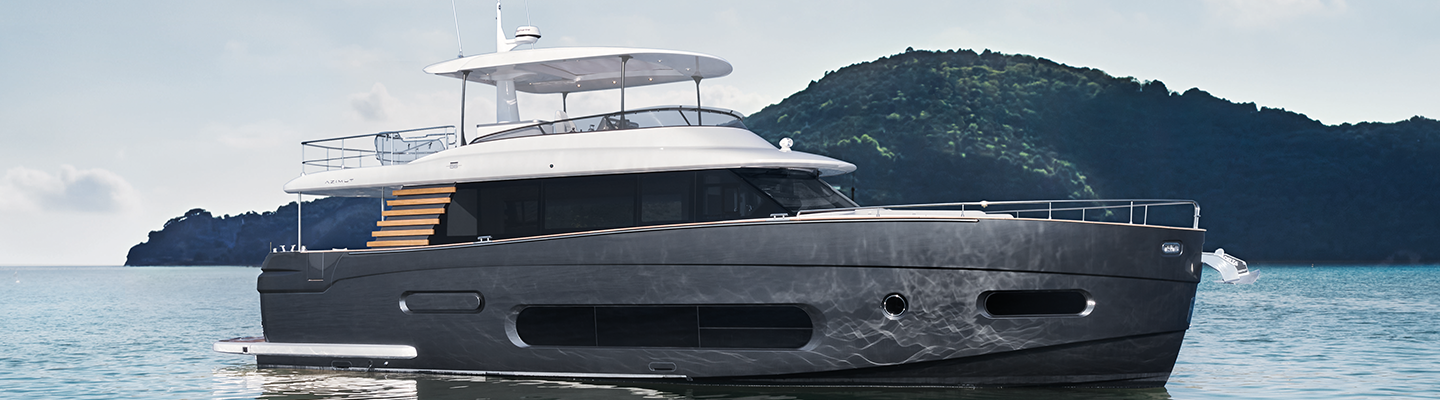
Trawlers combine long-distance cruising capabilities, practical design, and comfortable accommodations for boaters who prefer exploring at a relaxed pace. Originally inspired by commercial fishing vessels, modern recreational trawlers are designed for extended journeys, offering efficient operation, spacious living areas, and the amenities needed to feel at home on the water. Whether you're planning coastal adventures, exploring the Great Loop, or considering life aboard a boat, discover what makes trawlers a popular choice for cruising enthusiasts.
What Is a Trawler Boat?
A trawler is a type of powerboat traditionally associated with commercial fishing but now widely recognized as a recreational vessel designed for comfortable, efficient cruising. Recreational trawlers draw inspiration from working boats, emphasizing practical layouts, dependable propulsion systems, and the ability to travel considerable distances at manageable speeds.
Unlike high-performance sport boats that prioritize speed, traditional trawlers are designed to travel efficiently at lower speeds. Many feature displacement or semi-displacement hulls, substantial fuel and freshwater capacity, and comfortable accommodations for extended stays aboard.
Recreational trawlers are available in a variety of sizes, from compact coastal cruisers to large expedition-style motor yachts. Common features include enclosed pilothouses, protected walkways, spacious salons, private staterooms, and fully equipped galleys.
Whether you're interested in weekend cruising or longer adventures, trawler boats offer an appealing combination of efficiency, comfort, and versatility.
Types of Trawler Boats
Trawlers come in several designs, each offering different advantages depending on cruising preferences, desired speed, and intended destinations.
Traditional Displacement Trawlers
Traditional displacement trawlers are designed for efficient cruising at relatively low speeds. Their hulls travel through the water rather than rising onto the surface like planing boats, allowing them to operate with comparatively modest engine power.
Many displacement trawlers cruise at approximately 7 to 10 knots, although actual speeds depend on vessel size, hull design, and operating conditions. These boats are particularly appealing to owners who value fuel efficiency, cruising range, and comfortable accommodations over high-speed performance.
Traditional trawlers often feature practical layouts, protected helm stations, generous storage, and living spaces designed to support extended time aboard. Their efficient operation makes them popular for coastal cruising and long-distance journeys when the vessel is appropriately equipped.
Semi-Displacement and Fast Trawlers
Semi-displacement trawlers offer a combination of traditional cruising characteristics and increased speed. Their hull designs allow them to operate efficiently at lower speeds while providing the ability to travel faster when additional performance is desired.
Depending on the model, some semi-displacement trawlers can cruise comfortably at speeds above those of traditional displacement vessels. However, increased speeds generally require additional engine power and fuel consumption.
These boats are attractive to owners who want the spacious accommodations and practical design of a trawler but prefer greater flexibility when traveling between destinations or navigating changing conditions.
Pilothouse Trawlers
Pilothouse trawlers feature enclosed helm stations designed to provide protection from wind, rain, and changing weather conditions. Their raised or forward-positioned pilothouses often provide excellent visibility, while protected side decks make moving around the vessel more convenient.
Many pilothouse trawlers include spacious salons, full galleys, private sleeping accommodations, and substantial storage. These features make them well suited for extended coastal cruising, especially for boaters who plan to travel through a variety of climates and seasonal conditions.
Pilothouse layouts can be found on both displacement and semi-displacement vessels, so performance and cruising range vary by model.
Expedition and Long-Range Trawlers
Expedition-style trawlers are designed for boaters who want to explore more distant destinations and spend extended periods away from marinas. These vessels may feature substantial fuel and water capacity, robust construction, reliable onboard systems, and accommodations designed for long-term living.
Depending on the model, equipment may include generators, watermakers, redundant navigation systems, stabilizers, and additional storage for provisions and spare parts.
Some expedition trawlers are specifically engineered for offshore passages and long-distance ocean travel. However, not every vessel marketed as a trawler or explorer yacht is suitable for crossing open oceans. Owners should carefully evaluate the boat's construction, certified operating limitations, cruising range, stability, and safety equipment before planning demanding offshore voyages.
Why Choose a Trawler for Long-Distance Cruising?
One of the primary advantages of a trawler is its focus on efficient, comfortable travel. Rather than emphasizing high-speed performance, traditional trawlers are designed to make steady progress while providing the accommodations needed for extended cruising.
Many models feature comfortable enclosed living areas, protected helm stations, and practical layouts that allow passengers to move around the vessel safely and conveniently. Generous storage and onboard utilities can also reduce the need for frequent marina stops during longer journeys.
For owners who enjoy discovering new destinations without rushing between them, a trawler provides a boating experience centered on exploration, comfort, and time spent on the water.
Trawler Fuel Efficiency and Cruising Range
Fuel efficiency is one of the defining characteristics of traditional trawlers. Many use displacement hulls designed to travel efficiently through the water at moderate speeds, reducing the power required compared with operating a high-performance planing boat at substantially faster speeds.
Actual fuel consumption depends on hull design, engine configuration, vessel weight, cruising speed, and sea conditions. Traveling at an efficient displacement speed can help maximize the distance covered per gallon of fuel.
Cruising range also varies considerably. Some smaller coastal trawlers are designed for shorter regional voyages, while purpose-built long-range vessels may have the fuel capacity and efficiency required to travel hundreds or thousands of nautical miles between refueling stops.
When comparing trawlers, evaluate fuel consumption at realistic cruising speeds, usable fuel capacity, freshwater storage, and the manufacturer's published range estimates. It's also important to account for fuel reserves, weather conditions, and potential changes in operating speed when planning longer journeys.
Comfortable Living Aboard a Trawler
Trawlers are popular among boaters interested in extended cruising and living aboard because many models offer practical accommodations designed to support daily life on the water.
Depending on the vessel's size and layout, onboard features may include comfortable staterooms, private bathrooms, spacious salons, and fully equipped galleys. Larger trawlers may also offer separate laundry facilities, additional refrigeration, outdoor dining areas, and dedicated storage for extended trips.
Protected walkways, enclosed pilothouses, and convenient access between living spaces can make everyday activities more manageable while cruising. Some vessels also feature stabilizing systems that help improve comfort at anchor or underway.
For boaters considering full-time or seasonal living aboard, it's important to evaluate sleeping arrangements, climate control, electrical capacity, freshwater storage, waste management systems, and maintenance accessibility. These practical considerations can have a significant impact on long-term comfort.
Key Features of Trawler Boats
Although trawler designs vary by manufacturer and model, several characteristics are especially valuable for cruising and extended stays aboard.
Efficient Hull Designs: Displacement and semi-displacement hulls provide different combinations of cruising efficiency, comfort, and speed.
Protected Helm Stations: Enclosed pilothouses provide shelter from the elements while offering visibility and convenient access to navigation controls.
Substantial Fuel Capacity: Many long-range trawlers are equipped with fuel systems designed to support extended cruising between stops.
Comfortable Accommodations: Private staterooms, bathrooms, salons, and fully equipped galleys make longer trips more enjoyable.
Generous Storage: Dedicated compartments provide room for provisions, tools, spare parts, and recreational equipment.
Onboard Utilities: Depending on the model, generators, inverters, watermakers, and climate-control systems help support extended stays away from shore facilities.
Protected Side Decks: Walkways with handrails and secure access points can make moving around the vessel more convenient.
Navigation Technology: GPS chartplotters, radar, autopilot systems, and communication equipment assist with route planning and vessel operation.
Engine Accessibility: Thoughtful machinery-space layouts can simplify routine inspections, maintenance, and repairs.
When evaluating a trawler, consider how these features support your intended cruising activities and the amount of time you expect to spend aboard.
Trawlers vs. Motor Yachts
Trawlers and motor yachts share many similarities, particularly when it comes to comfortable accommodations and recreational cruising. In fact, recreational trawlers are often considered a category of motor yacht.
The primary difference is usually their design philosophy. Traditional trawlers emphasize fuel efficiency, practicality, and extended cruising capabilities, while many conventional motor yachts place greater emphasis on speed, styling, and luxury amenities.
Trawlers commonly feature displacement or semi-displacement hulls, protected helm stations, and practical layouts suited for longer journeys. Performance-oriented motor yachts often feature more powerful propulsion systems and hull designs that allow them to travel at higher speeds.
However, these categories frequently overlap. Modern trawlers can offer luxurious interiors and sophisticated technology, while certain motor yachts are designed for efficient long-range cruising.
Choosing between a trawler and a conventional motor yacht ultimately depends on your priorities, including cruising speed, fuel efficiency, onboard comfort, operating costs, and intended destinations.
Explore the Differences Between Trawlers and Motor Yachts
How to Choose the Right Trawler
Choosing the right trawler begins with identifying your cruising goals. If you're interested in weekend trips and regional coastal exploration, a smaller trawler may provide the accommodations and manageable operating requirements you need.
For extended voyages, look for a vessel with sufficient fuel capacity, freshwater storage, comfortable sleeping arrangements, and reliable navigation equipment. If you plan to spend significant time living aboard, prioritize practical layouts, climate control, onboard utilities, and accessible storage.
Hull design is another important consideration. Traditional displacement trawlers appeal to boaters who value efficiency at lower speeds, while semi-displacement models can provide additional speed when desired.
Consider where you plan to cruise, including water depths, bridge clearances, marina availability, and potential weather conditions. Overall length, draft, beam, and air draft can affect which waterways and destinations are accessible.
When shopping for a used trawler, pay particular attention to engine maintenance records, fuel systems, hull condition, electrical systems, plumbing, and the condition of onboard equipment. A professional marine survey and appropriate engine inspections can help identify potential concerns before purchase.
Working with an experienced MarineMax team member and scheduling a sea trial can help you evaluate available options and find a trawler that meets your cruising needs.
Frequently Asked Questions
What is the difference between a trawler and a regular motor yacht?
A trawler is generally a type of motor yacht designed with an emphasis on efficient cruising, practical accommodations, and extended travel. Traditional trawlers typically feature displacement or semi-displacement hulls and operate at lower speeds than performance-oriented motor yachts. Conventional motor yachts may emphasize faster cruising speeds, contemporary styling, and luxury amenities. However, the categories often overlap, and modern trawlers can offer the same level of comfort and technology found on luxury motor yachts.
How fast can a trawler boat go?
The speed of a trawler depends on its hull design, engine configuration, and intended purpose. Traditional displacement trawlers commonly cruise at approximately 7 to 10 knots, prioritizing fuel efficiency and range. Semi-displacement and faster trawler-style vessels may operate at considerably higher speeds, sometimes reaching 15 to 20 knots or more. Actual performance varies by model, loading, and operating conditions, so consult the manufacturer's specifications for accurate speed and fuel consumption information.
Are trawlers fuel-efficient?
Many trawlers are designed with fuel efficiency as a primary consideration, especially models featuring displacement hulls. By traveling at moderate speeds, these vessels can often cover considerable distances while using relatively modest amounts of fuel compared with high-performance motor yachts operating at faster speeds. However, fuel efficiency depends on vessel size, engine configuration, hull design, loading, and cruising conditions. Comparing fuel consumption and range at realistic cruising speeds is the best way to evaluate individual models.
Can you live aboard a trawler?
Yes, many recreational trawlers are well suited for seasonal or full-time living aboard. Depending on their size and layout, they may feature private staterooms, full galleys, bathrooms, spacious salons, and storage for everyday necessities. Larger models may also include laundry facilities, generators, watermakers, and climate-control systems. Before choosing a trawler for liveaboard use, consider onboard space, maintenance requirements, utilities, marina policies, and the practical demands of living on the water.
Can trawlers cross the ocean?
Some purpose-built expedition and long-range trawlers are designed for extended offshore passages, including ocean crossings. These vessels may feature substantial fuel capacity, robust construction, appropriate stability characteristics, and specialized safety equipment. However, many recreational trawlers are intended primarily for coastal or regional cruising and are not suitable for transoceanic travel. Before planning an ocean crossing, evaluate the specific vessel's design limitations, published range, safety equipment, operating condition, and suitability for the intended route. Experienced passage planning and professional guidance are essential for demanding offshore voyages.
Are trawlers good for the Great Loop?
Yes, trawlers are popular among boaters exploring America's Great Loop, a cruising route that connects inland rivers, lakes, canals, and coastal waterways in the eastern United States and Canada. Their efficient operation, comfortable accommodations, and practical layouts can make them well suited for extended travel. However, not every trawler can complete the route. Factors such as bridge clearance, draft, beam, and fuel range must be considered when selecting a vessel for the Great Loop.
What should I look for when buying a used trawler?
When purchasing a used trawler, begin by reviewing its maintenance history, engine condition, and overall structural integrity. Important areas to inspect include the hull, fuel tanks, propulsion systems, electrical equipment, plumbing, and navigation electronics. Evaluate the condition of the galley, accommodations, generators, and other onboard utilities, particularly if you plan to cruise for extended periods. A professional marine survey, appropriate engine inspections, and a sea trial can help you better understand the vessel's condition before making a purchase.
Browse Trawlers and Long-Range Yacht Brands
At MarineMax, we offer access to new and used trawlers and a selection of motor yachts designed for comfortable cruising and extended adventures. Whether you're interested in a traditional displacement trawler or a modern long-range cruising yacht, our team can help you explore vessels suited to your preferred boating lifestyle.
Azimut
Azimut is renowned for Italian craftsmanship, contemporary styling, and innovative motor yacht design. Its Magellano range draws inspiration from long-range cruising traditions, combining comfortable accommodations, sophisticated technology, and hull designs intended for versatile cruising. While not traditional commercial-style trawlers, these yachts appeal to owners interested in a balance of cruising efficiency, performance, and modern luxury.
Ocean Alexander
Ocean Alexander combines sophisticated engineering, luxurious accommodations, and impressive cruising capabilities in its motor yacht lineup. With a history that includes trawler-style yachts and modern explorer-inspired designs, the brand offers spacious living areas, advanced marine systems, and premium amenities for owners interested in extended cruising and comfortable long-distance adventures.


